Finding Community on the Go: Why We Don’t Stick to Just One Travel Tribe
Guest Post by Alex @saltyvagabonds
When we first stepped into this travel lifestyle, most of our days were spent with the boating crowd. It made sense, we were living on the water, and naturally, those were the people around us. But over time, our circles grew. Not because we set out to “find more community,” but because it unfolded that way.
One of the biggest lessons we’ve learned is that travel communities overlap more than you’d expect. You might start out identifying with one group such as sailors, RVers, backpackers, or worldschoolers, but over time those lines start to blur. You end up swapping stories, sharing meals, and building friendships that reach far beyond any one label.
Looking back, I love that part the most. We didn’t just stay in one lane. We opened ourselves up to people who were on their own journeys, in their own way, and that made ours richer.
Different Journeys, Same Lifestyle
When we first set out by sailboat, most of the people in our circle were boaters, it just came with the lifestyle. But as time went on, we realized that travel has a way of broadening your connections without you even trying.
It wasn’t forced; it was simply the natural outcome of meeting people. One winter in La Paz, for example, we started making friends through the Clubhouse app. Later, when we missed the big flotilla of kid boats heading north to the Sea of Cortez for hurricane season, we found ourselves connecting with a whole new group of travelers.
Pretty soon we were spending time with RVers, van lifers, worldschoolers, and families who travel by plane and rental car. The RV crowd in particular reminded us of the boating community, the same like-minded mindset of freedom, the same challenges of living in a small space, and the same conversations about educating kids on the go.
Full-time and extended travel families often face different logistics, things like airline baggage limits, road conditions, or even civil unrest, but in many ways, the conversations overlap. The core struggles and joys are the same: storage is always limited, plans shift with the weather, and there’s a constant balance between flexibility and structure.
What stood out most to us, though, is the shared mindset across all these communities. Whether on water, road, or in the air, so many families are chasing freedom, education, and meaningful experiences. Everyone is on their own journey, and that’s what makes it beautiful. Some travelers give back by volunteering or lending a hand along the way. For us, giving back has meant sharing what we’ve learned, helping other families figure out how they can shape this lifestyle in their own way.
Why Sticking to One Group Can Feel Limiting
Sticking to just one group can start to feel limiting, and honestly, a little boring after a while. A lot of that has to do with the conversations. They tend to revolve around the mode of travel the group identifies with.
For example, sailors often talk about sails, boat setups, and anchoring spots. RVers discuss water fill stations, solar setups, and campground logistics. You get the idea, the topics are useful, but they can start to feel repetitive once the honeymoon phase of a new lifestyle wears off.
That’s why branching out, even if it doesn’t feel as natural at first, can be so eye-opening. Inside your group, you’ll definitely find strong friendships, we have. But the connections we’ve made outside of our main circle have been just as meaningful.
Making friends outside your usual community may feel daunting, but it’s worth it. In our experience, it can shift your perspective, spark new ideas, and even elevate your family’s life in ways you didn’t expect.
Real-Life Examples of Crossover
Making friends outside your usual group isn’t always easy, but for us, the rewards have always been worth it. Take our friends Sam and Blake, for example. They’d been abandoned by what RVers might call a “buddy rig” (like the boating community’s “buddy boat”), and we spent evenings swapping stories about it over beers by the campfire. Their experiences mirrored some of our own, and the conversations became learning moments for everyone.
We first met Sam through the Clubhouse app, and our friendship grew from there. When we found out they were heading to Baja, we kept in touch via Instagram and ended up meeting on different beaches over the years.
More recently, when we were staying in Cortez, Colorado, we even drove three hours to Grand Junction to celebrate their son’s birthday. Those are the kinds of bonds that make this lifestyle so meaningful.
We’ve also connected through worldschooling groups on Facebook, which help us see who’s nearby. While in La Paz, we met up with a family at different times over several months, a mix of parents and kids from Russia, Sweden, Germany, Canada, and the U.S. The kids didn’t care one bit about group labels; they just wanted to play, explore, and enjoy being together in the moment.
It reminded me of growing up in the ’90s, when you could find the neighborhood hangout just by spotting all the bikes in someone’s yard. Those moments still exist, though they’re harder to find with today’s busy schedules, travel logistics, and family dynamics.
The crossover is real, and sometimes humbling for adults. We’ve seen firsthand how the sailing community can feel a bit clique-like, almost like high school. That experience pushed us to open ourselves up to friendships with RVers, overlanders, and van lifers, and it has enriched our journey in ways we couldn’t have imagined.
How to Create Your Own “Blended Community”
Building community looks different for everyone, depending on your travel style, preferences, and even your budget. Some families find their people within one type of travel, while others, like us, end up blending groups naturally over time. The good news? You don’t have to force it. With the right platforms, apps, and a little openness, you can create your own version of a “blended community.”
Sailboat Community
When we were living on the water, the Kids4Sail Facebook group was a lifeline. Each month they post a roll call where families list their location, kids’ ages, and boat details. It makes it easier to connect in real life, and spotting another boat with the Kids4Sail burgee flag was an instant icebreaker.
Another great resource is the Sea People app, founded by an Aussie couple raising two kids aboard their boat. Their platform helps sailors connect, share updates, and combat the loneliness that can come with long stretches at sea.
RV and Van Life Community
Our friendships with people like Mindy, Kevin, Sam, and Blake taught us quickly that the RV community is one of the most approachable. Unlike anchoring out in a bay, where it’s tough to just “pop over” to a neighbor, campgrounds naturally foster closeness.
Kids can run between sites, and adults often end up around a grill, smoker, or campfire swapping stories. Apps like Sēkr and Driftr (founded by two van lifers) help break the ice before you even arrive, making it easier to build friendships on the road.
Facebook Groups Around Homeschooling & Worldschooling
Social media groups are one of the best ways to find your travel tribe, whether it’s just for a few days, weeks, or months. There are plenty of homeschooling groups across the U.S., but if you’re traveling internationally, worldschooling groups can help you connect fast.
Many of these groups are region or location-based, so keep that in mind when searching. You’ll also find interest-based groups that focus on hobbies like Dungeons & Dragons or sports like soccer and baseball. Others lean toward academics, including subjects like robotics, STEM, and math.
Often there’s opportunities to join groups in new locations. Pop ups and those are easily searchable. They require more effort but it’s how we’ve made connections with others from all sorts of travel backgrounds.
Hosting Your Own Meetup
Don’t be afraid to take the lead. Hosting a casual meetup, a hike, a beach day, or even a dinner out can bring like-minded travelers together. Some of our best connections have happened in the most unexpected places, like airports or while waiting in line. By putting yourself out there, you create opportunities not just for your family, but for others craving connection too.
The Travel Community Is What You Make It
The travel community is beautifully diverse, filled with people from different backgrounds, cultures, and walks of life. If you’re searching for your “tribe,” don’t be surprised if it ends up looking more like a mosaic than a single, uniform group and that’s the best part.
By blending with people who travel in different ways, you create a stronger, more flexible community. Your tribe becomes richer because of the variety of perspectives, experiences, and lifestyles within it. The connections you build won’t always look the same as the ones you started with, but they’ll give you a deeper sense of belonging.
At the end of the day, the travel community is what you make it—open, varied, and stronger when you allow it to grow beyond one lane. For families like ours, that diversity doesn’t just shape friendships, it becomes part of our children’s education.
Worldschooling isn’t just about learning from museums or history books; it’s about learning from people. By surrounding ourselves with travelers from all walks of life, our kids are exposed to perspectives, values, and experiences that no classroom could ever replicate. And that, to us, is the greatest gift this lifestyle has given.
As this guest post beautifully shows, the richest connections often come from mixing worlds, not staying inside familiar ones. The more we lean into that blend, the more meaningful our travels become. Here’s to creating communities everywhere we go.
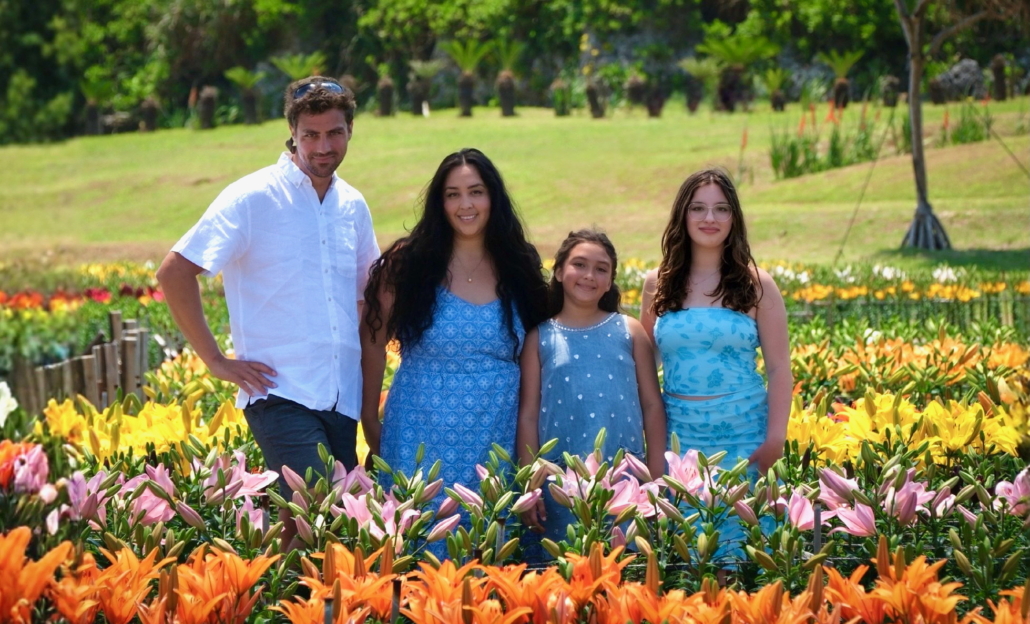
For more inspiration from the SaltyVagabonds family, you can follow them on Instagram, TikTok, YouTube, or visit their website.