
Keeping Your Stuff Safe While Worldschooling
When you’re living and learning on the road, keeping your belongings safe can take a bit of extra effort. From lost chargers to misplaced passports, it pays to be prepared. In this post, we’ll share practical tips to help protect your valuables, your finances, and your tech, so you can focus more on the journey and less on what might get lost in the shuffle along the way.
Belongings
Things can go missing on the road—especially phone chargers and anything you might hang on the back of a bathroom door! Here’s some advice we like to keep in mind when we travel:
- In general, it’s best to leave your most valuable items, such as jewelry or irreplaceable treasures, at home or in a bank safe-deposit box. For those you do bring, leave them at your accommodation. Use the safe in your room or a locked drawer at the front desk to store passports, travel documents, extra cash, jewelry, and electronics.
- When you’re moving between destinations, don’t put valuables in checked luggage or in the storage compartment of a train or bus. Keep them in your carry-on, and keep that bag close to you. Stay attuned to valuables at security checkpoints, too.
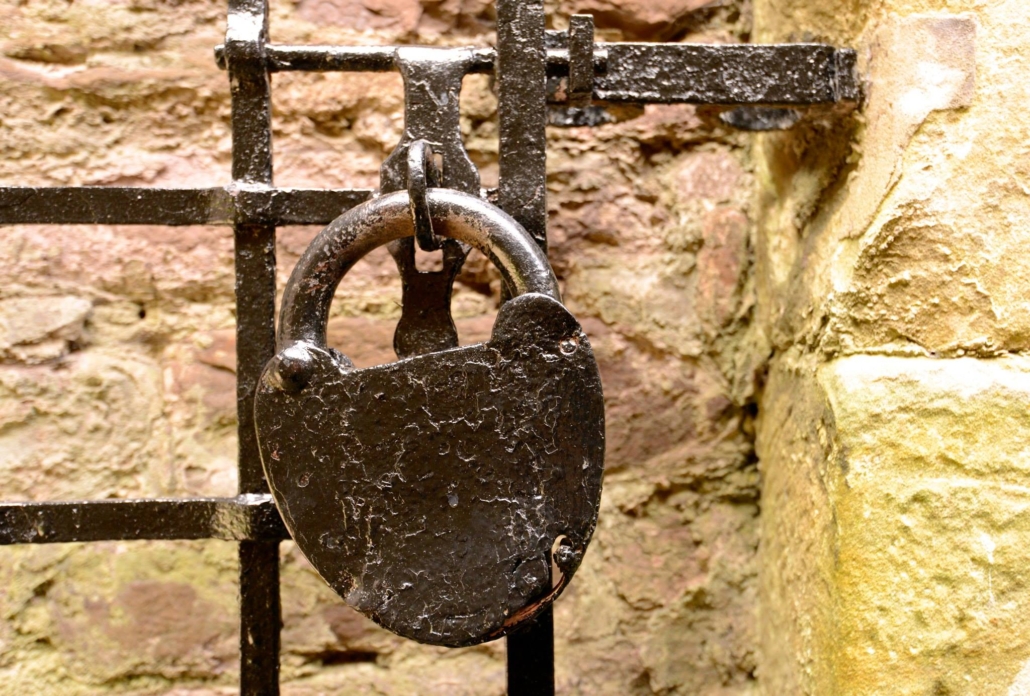
- When they’re available at hostels and transport stations, use storage lockers. Bring a padlock or two on your trip.
- If you carry a bag, consider cross-body bags or backpacks, which are harder to grab than shoulder bags. Secure your bag to your leg or chair when you sit down. Choose an unassuming or even beaten-up bag that doesn’t scream that you have valuables inside.
- When you carry higher-value items with you, keep them on the front of your body in a pouch or money belt, and make sure your bag stays completely closed. When you need to get cash or cards out, be aware of the activity around you.
- Don’t have your kids carry anything valuable, including their own electronics. Talk them through an age-appropriate version of the suggestions above.
- Use social media with care. Posting your pictures or whereabouts during travel can leave you more susceptible to theft at your home base.
There are lots of special bags, gadgets, and anti-pickpocket gear you can buy, but even more important is to be street smart and diligent. Read about security risks and common scams for an area prior to your arrival. Be alert, and walk with confidence and purpose—you’ll be less of a target if you act like you know your way around.
We’ve covered theft, so let’s take a moment to talk about loss. Families on the move are managing a lot of stuff, and it’s easy to lose track of items. Help each family member develop a system for keeping track of everything. Here are a few ideas: label and photograph items before departure, use packing cubes, and create checklists. Run through scenarios before you go, and always take a final look behind you when you leave.
Finances
In addition to copying and storing important documents safely, there are many other things you can do to keep your financials secure while traveling:
- Let your bank and credit card companies know about your travel plans.
- Know where you plan to retrieve foreign currency, carry multiple cards with you for backup, and spread them between adults.
- Check ATMs to ensure the card reader doesn’t look tampered with, and switch machines if you have any doubt.
- Set up transaction alerts to monitor charge activity while you travel. If something doesn’t look right, contact the issuing bank.
- Bring a list of phone numbers for your bank and card companies that you can use outside the country.
Technology
Here are some guidelines you can follow to keep your devices and data safe while traveling:
- Make a note of everyone’s laptop (and tablet) model and serial number, and leave this information at home. Back up your system and data, and keep them somewhere safe, too. While you’re on the road, perform regular backups to the cloud, a service provider, or external hard drive.
- Update your antivirus and firewall programs before you depart—it’s best to limit software and app updates on unsecured networks while traveling, as they can expose you to malware.
- To help prevent information theft, set strong passwords, use a password manager, and trust only secure Wi-Fi networks. If you must use unsecured connections, don’t enter sensitive information.
- Consider getting a virtual private network (VPN) before you leave, which acts like a filter so that anything you do online is more secure.
- Limit the use of Bluetooth, and turn it off after use so that it isn’t used to lift your information.
- Consider using RFID-blocking wallets or bags to protect cards and passports from skimmers.
Hopefully, all of these beware lists haven’t scared you away. Now you have everything you need to get packing! Check out this blog to help you get started.