
Worldschooling: Healthcare While Traveling
In this blog we take on the most common health concerns for traveling families. We also offer strategies and resources for staying healthy once you are in the thick of your traveling pest parade. You’ll find that certain parts are specific to international journeys because some concerns are localized. Our aim is not to overwhelm you; we have erred on the side of thoroughness only so you can easily find the issues that might apply to your family. You’ll know best when to research them further.
Insects and Infectious Diseases
In addition to immunizing against disease, or if you are a family that doesn’t routinely vaccinate, you’ll want to have a solid plan for navigating infectious disease risks where you travel. Diseases spread by mosquitoes, including West Nile virus, dengue, yellow fever, malaria, chikungunya, and Zika, are common in many parts of the world. Tick-borne illnesses, such as Lyme disease and babesiosis, are also prevalent, particularly in some parts of the US.
A key aspect of prevention is to help your kids avoid getting insect bites in the first place. Some people swear by natural approaches such as garlicky foods or citronella, either in candles or creams, to keep bugs away. Other families may prefer chemical intervention. Use insect repellent (specific recommendations for repellents by age of child can be found online, and the Environmental Working Group publishes consumer guides for bug repellents, sunscreens, and other consumer goods on its website), and cover skin as much as possible by wearing long sleeves and pants. Permethrin can be applied to clothing as an extra deterrent—spray it on ahead of time; protection lasts through several rounds of laundering. Another line of defense is to sleep in screened rooms and under bed nets wherever possible—you can even purchase lightweight nets that are easy to pack and bring with you. Stroller nets and face nets that fit over hats are also available.
Additionally, it’s important to know that anyone is at risk for malaria, a serious and potentially life-threatening infection. If you are headed to an area where malaria occurs, talk with your doctor about antimalarial medications or vaccines. These drugs are not 100% effective, so it’s still necessary to heed precautions against bug bites.
Motion Sickness
Motion sickness is common, especially in children. It is caused by repeated, unusual movements sending strong and sometimes conflicting information to the brain, disrupting the vestibular system that provides a sense of balance and stability. Motion sickness can be triggered or exacerbated by anxiety, unfamiliar smells, or multitasking (reading, watching a video, or looking at a map) while on the move. Symptoms include nausea, disorientation, dizziness, sweating, headaches, feeling cold, and fatigue. These typically go away when the journey is over; however, some people might still feel a sense of movement hours later when trying to fall asleep, or even longer.
The best way to stop motion sickness is to stop moving, but that isn’t always possible when you are a family that is, well, on the move. It’s helpful to focus on prevention techniques, including eating light prior to travel, staying hydrated, breathing fresh air, avoiding strong smells, positioning yourself so that your eyes are attuned to the movement, and avoiding reading or other similar activities while in motion. Kids who struggle with motion sickness might benefit from closing their eyes and listening to an audiobook or even sleeping en route. For the worst cases, your physician may be able to recommend natural treatments like acupressure wristbands or prescription medication like scopolamine patches. Before embarking on your Wonder Year, try to take various forms of trips as a family to find out who might be prone to motion sickness and test any recommended remedies.
Ear Pain
Many adults and even more children experience ear pain during air travel. The rapid altitude changes experienced during takeoff and landing in an airplane can mean the air pressure in your ears doesn’t have time to equalize to the outside air, stretching the eardrums and causing a sense of fullness, discomfort, or pain. Children are more susceptible due to a still-developing anatomy, compounded by the fact that they get more respiratory infections than adults do. Younger kids may react by crying or tugging at their ears. While usually more annoying than concerning, this discomfort can become more serious and result in ongoing pain or hearing loss. Adults can usually equalize this pressure by swallowing or yawning, but kids don’t have the same instincts, so they may need assistance. Many families keep pacifiers, gum, or breath mints handy because the suction in the mouth can help pop ears, or at least provide a distraction.
Jet Lag
The pain is real, folks.
It’s bad enough to deal with jet lag as an adult. But managing it with kids can be downright rough. Here’s the good news: Since you are traveling long term, you might not be flying across enormous distances all at once. You may be able to break up your journey or plan things so that the time changes aren’t so drastic. Most importantly, you might have more flexibility to take time for you and your kids to recover. These are some other ways you could prepare for time-zone shifts based on your family’s needs:
* Start shifting bedtimes in the days leading up to your travel, a bit more each evening.
* Take an overnight flight if you think everyone can get more rest. Set your watches to the new time zone, and try to sleep as if you’re already in it.
* Dress comfortably and bring cozy blankets and pillows on the plane—anything that will encourage the kids to head to “bed.”
* Stay hydrated. It will help your body adjust and feel less funky.
* Once you arrive at your destination, spend time outdoors, in the sunlight. Follow the light and the dark, and your family’s circadian rhythms will soon stabilize.
* Don’t schedule much for the first day or so after arrival; this will give your family time and space to acclimate without pressure. The general rule of thumb is that it will take one day of adjustment for every time zone crossed.
Expect some possible discombobulation, clumsiness, disrupted schedules, and upset moods during your first days on the ground. Parents may need to be even more attentive than usual to help keep everyone safe.
Altitude Sickness
Altitude sickness, also known as acute mountain sickness (AMS), typically occurs at altitudes over 8,000 feet, but some people can experience symptoms as low as 6,300 feet above sea level. AMS is caused by reduced air pressure and lower oxygen levels at high altitudes. Symptoms include headaches, nausea and vomiting, loss of appetite, dizziness, fatigue, and mood swings. If your child develops more severe altitude sickness, they might be confused and have a pale or blue complexion. They might also have difficulty walking, experience shortness of breath, or develop a cough. AMS is not something to take lightly, and if you are traveling to higher elevations, you need to study its effects and be prepared.
Here are some ways to help prevent altitude sickness:
* Acclimatize: This means ascending over multiple days to give your body time to adjust gradually. With long-term travel, you can often work this into your itinerary, enjoying time in each subsequent, slightly higher location. Avoid flying directly into high-altitude cities such as Cusco, Peru, and La Paz, Bolivia. Guidelines based on destination altitude are available online.
* Adhere to the climber’s adage: “Climb high, sleep low.” Explore higher elevations during the day, but return to lower altitudes to sleep. Your breathing slows during sleep, so the risk of AMS is higher overnight.
* Stay hydrated, avoid alcohol, and eat lots of carbohydrate-rich foods.
* If you or your child has had AMS in the past, talk with your doctor about medications that might help. Some work best when taken in advance of high-altitude travel.
People acclimatize at different rates, so make sure everyone in your family has adjusted before going higher. Experts say there is no correlation between overall physical fitness and the risk of altitude sickness. Even if you and your family do everything “right,” anyone can still develop altitude sickness at any time. A person experiencing symptoms should never go higher until the symptoms have gone away. Altitude sickness can be more difficult for children, as they may not know how to communicate their symptoms. Be sure to research prevention and treatment methods before your journey, and talk with your family physician about any concerns.
Gastrointestinal Issues
It’s often a myth that you can’t drink the water outside your comfy domestic dwelling. In fact, many places in the world have excellent water quality. That said, gastrointestinal (GI) upset is among the most common illnesses experienced while traveling. You’ll need to understand water sanitation and safety issues relevant to the places you are headed, and this information is often easy to find online.
We’ve all heard the advice about drinking bottled water in areas where water safety is a concern. Some other good things to know:
* To lessen the environmental impact of plastic bottles, you might consider boiling water or bringing your own water filtration or treatment system. Annika’s family carried UV-light filters that attached to their water bottles for a minute of active swishing to make any water drinkable.
* In some areas, local water is placed in used water bottles, recapped, and sold. Always make sure your cap has the original seal.
* Have your kids brush their teeth using safe water, and remind them not to ingest water in the bath or shower. If you have small children, watch out for bath toys ending up in little mouths.
* Eat foods that are cooked and served hot or that you can peel yourself.** Be aware that fruits, vegetables, and salads may have been rinsed in contaminated water.
* Avoid ice cubes, as they are usually made from local tap water.
* And of course, wash hands often.
Symptoms of food poisoning or GI upset can include cramps, nausea and vomiting, sweating, skin flushing, and diarrhea. These can be serious in kids due to the risk of rapid dehydration. The best treatment is usually to imbibe plenty of fluids. While there is often no need to take medicine for GI issues, many families travel with a prescription broad-spectrum antibiotic for each traveler and some rehydration powder, like Pedialyte, just in case. Ask your doctor if you think this could be helpful, especially if anyone in your family is prone to stomach bugs.
Food Allergies and Preferences
There is growing acceptance of, and willingness to support, people with dietary restrictions due to health concerns, religious reasons, and/or personal preferences. Airlines, cruise lines, and lodgings are all stepping up to accommodate these needs via expanded menu offerings and the creation of separate areas for storing and consuming food. Many airlines have eliminated common allergens in their snacks, and some even offer a “buffer zone” around customers with allergies to prevent exposure from other passengers’ foods.
If finding suitable food is a concern, you might consider bringing nonperishable items in food containers as backup. If you use them, bring EpiPens from home. You can also create laminated cards detailing food allergies in the local language and show these at restaurants and gatherings.
There are even companies that offer free, printable allergen translation cards. If the issue is severe enough, you might consider limiting travel to areas with medical infrastructures adequate to support your family’s needs.
Outdoor Water Safety
Time spent in water can be one of the great joys of traveling. A few thoughts to help make sure that things stay fun:
* If your kids aren’t yet swimmers, start swimming lessons before you leave. Depending on their ages, you may be able to get them water-safe before your trip, an investment that will save you worlds of worry.
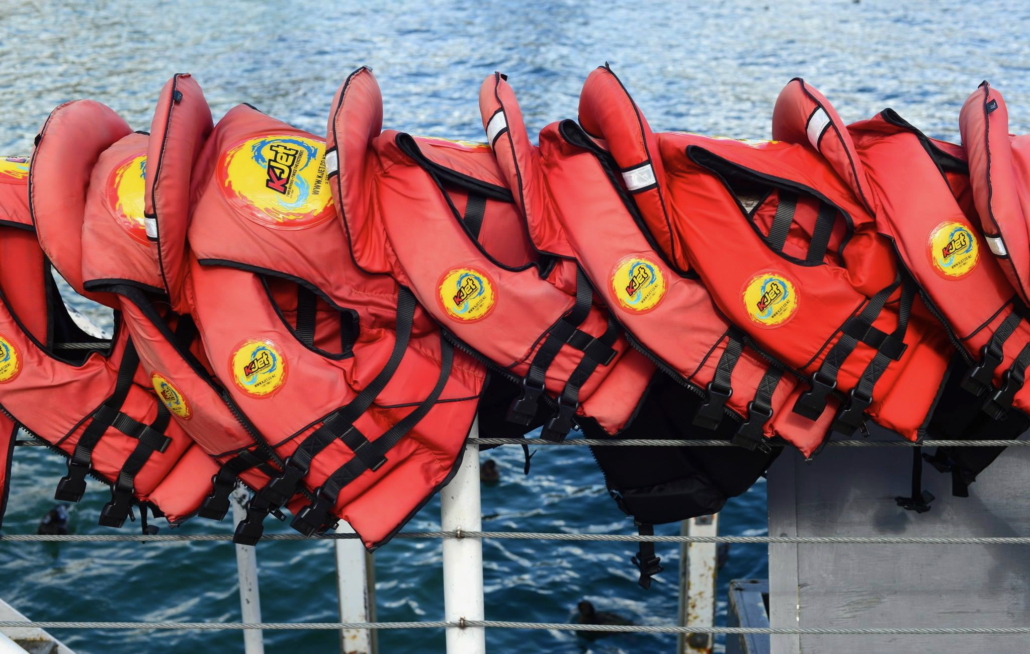
* Even if your kids are comfortable in the water, it’s important to remain cautious, just like you would at home. Drowning is a leading cause of death for those who travel abroad, and kids should be closely supervised at all times. Life jackets aren’t readily available everywhere, and even when they are, tour operators and local staff don’t always encourage and monitor their use. Make sure you ask about availability, or bring your own. Inflatable water wings are also a great packable option.
* Watch out for local creatures; they can be fun to learn about but may carry risk of a bite or sting. Make sure you know what might be lurking in the sand or water and how you would treat any ouchies, should they occur.
* And then there are the creatures you can’t see—freshwater can harbor protozoa, bacteria, or viruses, and some experts recommend that children never swim in unchlorinated, nonsalted water. Depending on the circumstances, you’ll need to decide how to balance those risks with your own sense of adventure.
What to Carry With You
Angela’s family likes to be prepared. When they were traveling in their RV, they carried a robust safety kit that included not only first aid items but also food, water, warming blankets, and safety flares in case they became stranded. When traveling internationally and only carrying their backpacks, they whittled their kit to the key essentials. You’ll know best what your family needs to bring along, but here are a few ideas to get you started. For a complete packing list, check out the Bonus Content on this website.
* First aid kit: Many families prefer to travel with their own first aid kit. Some items to include are Band-Aids, blister tape, antibacterial or tea tree ointment, Aquaphor, and gauze pads. In addition to first aid supplies, you may want to bring a few key over-the-counter medications, including Benadryl for allergic reactions, ibuprofen for inflammation and pain, Orajel for tooth pain, and probiotics and antidiarrheals for gastrointestinal upset.
* Prescription medication: You’ll want to bring any prescription medications along with you, as many countries do not permit pharmacies to fill (or refill) prescriptions that originate outside their borders. As long as they are in clearly marked containers, you probably won’t have trouble traveling with them. If you’ll be traveling internationally for extended periods, you can often make special arrangements with your prescribers and insurance company to fill several months’ worth of prescriptions ahead of time. In a pinch, you can make an appointment with a local provider to explain your medical condition, show your old prescription, and get a new written one that can be filled nearby.
* Toilet kit: Carry some hand sanitizer, toilet paper, menstrual products, and a plastic bag to dispose of your trash.
* Sun care products: Sunscreen is available almost everywhere, and unless you or your children require a particular brand, this is one item that’s often more easily purchased at your destination. Try to purchase reef-safe products that protect marine habitats, and talk with your family about why this is important. Watch out for overpriced sunscreen at hotels and tourist sites, and instead aim to purchase it when buying groceries or other items in town.
* Insect repellent: This can be a bit tougher to find, so you may want to bring repellent from home. Wipes travel well and are easier to get through security checkpoints than aerosol bottles.
Tip: It never hurts to take a first aid or wilderness first aid class before you depart on your worldschooling journey. The Red Cross offers suitable classes for kids, too. It can be a family event—a kickoff for learning together. Basic first aid knowledge and a good first aid kit may be just what you need for that more adventurous outing.
Car Seats, Strollers, and Babyproofing
In some developing parts of the world, vehicles might not have seat belts. When booking local tours or transportation between locations, you may want to ask ahead about vehicle safety restraints. Angela’s husband, Mark, insisted on a replacement van to Sapa, Vietnam, after their initial one arrived without its promised seat belts. Given that the driver then operated the second van at warp speeds, Mark was glad he’d insisted on them.
If you are traveling with small children, you might want to bring your own car seats, as they may not be available in many countries or be compliant with US safety standards. That’s certainly more to carry, so you may have to get creative with your packing. Strollers can be cumbersome, too, and some families might opt for kid-carrying (slings, backpacks) in lieu of another wheeled vehicle. Only you know what is best for your family when trying to balance convenience and safety with the amount of gear to haul. Just be sure to research checked and carry-on baggage rules ahead of time.
You may be staying in many places that aren’t as baby- or childproofed as back home. Always check the operation of doors in your accommodations (take it from a friend who once woke up to his younger kiddo sleepwalking out the hotel-room door) and ask for lower-floor rooms if that’s helpful. You can also bring along a small rubber doorstop to help prevent unwanted entry or exit.
Many major cities have rental items—from strollers and car seats to books and toys—that can be reserved online and delivered to your accommodations. Some places even offer babyproofing prior to your arrival. These services may be less expensive than hauling along your gear, so consider researching offerings at your planned destinations.
Tip: Bring along some duct tape! It’s great for covering outlets, padding sharp corners and edges, and securing other risky items out of reach of kids’ hands.
Toileting Around the World
How do they poo in Kathmandu? You’d be surprised by all the different ways we can interpret something as universal as toileting.
In some countries, people squat over a toilet seat that is flush to the ground so that no body parts ever touch a public surface. In others, toilet paper is considered unhygienic. Instead, they use a bidet and their hands to get clean. Sometimes, privacy stalls only go up to shoulder level, so you might be looking a stranger in the eye while you’re doing your business. Yet other countries have high-tech toilets where you can choose bidet water temperatures, seat-heat settings, air dryers, and your favorite accompanying music.
We are creatures of habit, and sometimes these differences can be… unhelpful to the process. So, bring supplies to make it more comfortable, like toilet paper, soap, and hand sanitizer. Some families are committed to reducing their environmental impact and travel with a washable bandanna. Expect the unexpected. Everything is an adventure. The only universal imperative is to wash your hands.
Seeking Medical Care on the Road
Okay, so you’ve prepared, and then prepared some more. You’ve packed a first aid kit, brought along medications, and done your best to avoid hazards along the way. And yet—something happens anyway, and you need to find medical care on the road. Maybe urgently. How do you find it when you’re far from home?
* First, keep basic medical information for each family member in your daypack so you’ll have what you need if you must take a trip to the emergency room or village doctor. Include a summary of each person’s medical history, such as a list of ailments, allergies, and current medications.
* If relevant, wear a medical-alert bracelet or pendant for specific conditions.
* You might even want to get a letter from your doctor detailing your family member’s medical requirements, in case this information is necessary for treatment. If bringing paper copies isn’t convenient, take photos of the documents with your phone.
* Carry a list of your family physicians and their contact information, in case you need to reach them for guidance. When one traveling friend got sick in South Africa, the first thing she did was call her doctor’s office back home to get medical advice. Her situation was an emergency, and she was glad to have the contact information readily available in her phone.
Domestic travelers can usually use traditional means for finding a doctor on the road. If you are traveling overseas and one of your family members needs medical care, you can do the following:
* Reach out to your health insurance company for assistance. Many insurance providers have an emergency phone number you can call for advice and referrals to local caregivers. This also helps start the coverage process when you are seeking care outside your home country, especially for services that require preauthorization.
* Contact the local embassy for a list of international physicians. Be sure to specify if you need English-speaking providers or translation services.
* Ask a local, especially if your need is urgent and you don’t have time for a phone call. Rely on your rental host, hotel staff, local restaurant employees, or tour providers, who are accustomed to helping travelers.
* Research or inquire on expat websites. Rely on local English speakers who are in the know.
* Sites like USEmbassy.gov and other apps can help connect you to physicians and hospitals in your area, translate drug names, and provide a list of local emergency contact numbers by country.
* Splurge on a nice hotel if someone is sick. Sometimes concierge services cover medical help and might even arrange for a house call by a doctor.
* We really hope it doesn’t come to this, but if anyone needs an IV or a shot, you might offer a crisp $20 to the health care worker and ask that a new needle be opened in front of you. That’s why you keep some cash handy.
We hope this blog has boosted your confidence that with preparation, flexibility, and the right tools in your bag, you can handle most health hiccups and keep your journey rolling safely and smoothly.